Rough Cement: Bold Typography for Modern Design
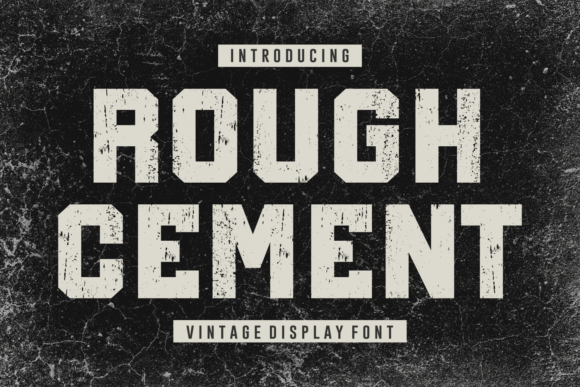
In the crowded landscape of visual communication, capturing attention within seconds is the ultimate challenge for any designer. This is where Rough Cement steps in as a transformative tool, offering a raw, marker-board aesthetic that instantly injects personality and energy into static layouts. As a font that mimics the organic imperfections of hand-lettering, it bridges the gap between digital precision and human touch, making it an essential asset for professionals seeking to elevate their creative projects.
From a professional graphic design perspective, typography is never just about legibility; it is about tone, emotion, and brand voice. Rough Cement excels in scenarios where a polished, corporate serif feels too stiff or distant. Its textured strokes and uneven edges evoke a sense of immediacy and authenticity, qualities that are increasingly valuable in modern aesthetics. When integrated thoughtfully, this typeface can strengthen brand identity by signaling creativity, approachability, and a willingness to break conventions.
Elevating Brand Identity and Logo Design
One of the most powerful applications of this font lies in branding and logo design. For startups, lifestyle brands, or creative agencies looking to stand out, a logo set in Rough Cement communicates confidence without taking itself too seriously. The font's distinct character helps establish a memorable visual hierarchy, ensuring that the brand name sticks in the viewer's mind. However, successful implementation requires balance. While the font shines as a display typeface for headlines and logos, it is best paired with a clean, neutral sans-serif for body copy to maintain readability and professional presentation.
When developing a comprehensive brand system, consider how this typography interacts with your color palette. The rugged nature of the font pairs exceptionally well with bold, high-contrast colors or muted, earthy tones depending on the desired emotional response. Whether you are designing packaging for artisanal goods or creating merchandise like t-shirts and tote bags, the tactile feel of the font adds a layer of depth that flat vector graphics often lack.
Practical Applications Across Media
The versatility of Rough Cement extends far beyond print. In the realm of digital marketing and social media graphics, where scroll-stopping power is currency, this font serves as a potent weapon. It transforms ordinary motivational quotes or promotional announcements into shareable visual assets. Here are several key areas where this typeface drives engagement:
- Social Media Content: Perfect for Instagram stories, Pinterest pins, and Twitter headers where a handwritten feel boosts relatability.
- Editorial Design: Ideal for pull quotes, chapter headings, and magazine covers that require a dynamic, editorial flair.
- Web and UI Design: Effective for hero sections and call-to-action buttons, provided it is used sparingly to avoid overwhelming the user experience.
- Packaging Design: Adds an artisanal, hand-crafted quality to product labels that appeals to conscious consumers.
- Advertising Campaigns: Creates immediate visual impact in posters and billboards by breaking the grid of standard advertising typography.
Optimizing Workflow and Visual Hierarchy
Integrating unique fonts like Rough Cement into your design workflow requires a strategic approach to ensure consistency across all touchpoints. The key is to treat the font as a spotlight rather than the entire stage. Use it to guide the viewer's eye to the most critical information, such as a headline, a discount code, or a key value proposition. By restricting its use to large sizes, you preserve the integrity of the letterforms and prevent the texture from becoming visual noise at smaller scales.
Furthermore, consider the context of your audience. While this font exudes creativity and fun, it may not be suitable for industries requiring strict formality, such as legal services or medical institutions. However, for sectors like entertainment, education, food and beverage, and fashion, it offers a refreshing departure from the norm. When pairing it with imagery, choose photos that complement its organic nature—think candid shots, textured backgrounds, or illustrative elements that share a similar hand-drawn quality.
Ultimately, the success of any design project hinges on the harmony between its various elements. Rough Cement provides a robust foundation for building narratives that feel personal and engaging. By leveraging its unique characteristics, designers can create work that not only looks distinct but also resonates on a human level. Thoughtful selection of creative assets like this ensures that your final output is not just visually appealing, but also communicatively powerful, leaving a lasting impression on your audience.